
Low calorieHigh protein
"Toning" is not really a type of muscle or a type of exercise - it is simply a state where the percentage of fat has dropped enough for the muscle that is already there to be seen. There is no exercise that sculpts a certain area, and there is no food that burns localized fat. What there are are only two levers: lose fat, and preserve (or build) muscle while it's happening.
That's why toning is not the same as "weight loss". It is possible to lose 10 kilos and look exactly the same only smaller - if a large part of the loss came from muscle. The goal here is to change body composition, not the number on the weight.
This guide is general information and not medical, nutritional or personal training advice. If you have a medical condition or injury - consult a professional before changing a menu or training plan.
The first lever: a moderate deficit, not extreme
Getting in shape requires a caloric deficit-there's no way around it. But unlike rapid weight loss, here the rate is just as important as the goal: the deeper the deficit, the greater the portion the body takes from muscle and not from fat.
- A deficit of 10%-20% of the daily expenditure. not 40%
- Target rate: 0.5%-0.75% of body weight per week. Those who weigh 80 kg should aim for 400-600 grams per week.
- The thinner you are, the more moderate deficit is needed - with low body fat, the body "protects" the fat store and gives up the muscle first.
- Going down faster does not shorten the process. This usually just means that you will return to your starting position with a worse body composition.
The second lever: enough protein
Protein is the main defense for the muscle in a deficit, which is why in a toning menu it takes priority over all other components. In the deficit, the target increases compared to the normal state - the body is less efficient in conservation, so it needs to be supplied with more raw material.
- 1.8-2.2 grams per kg of body weight per day. If you are significantly overweight, think according to the target weight and not the current weight.
- Divide into 3-4 portions of 30-40 grams. The stimulus for building muscle responds to each meal separately.
- A meal with protein before bed (cottage, Greek yogurt, low-fat cheese) helps both satiety and recovery.
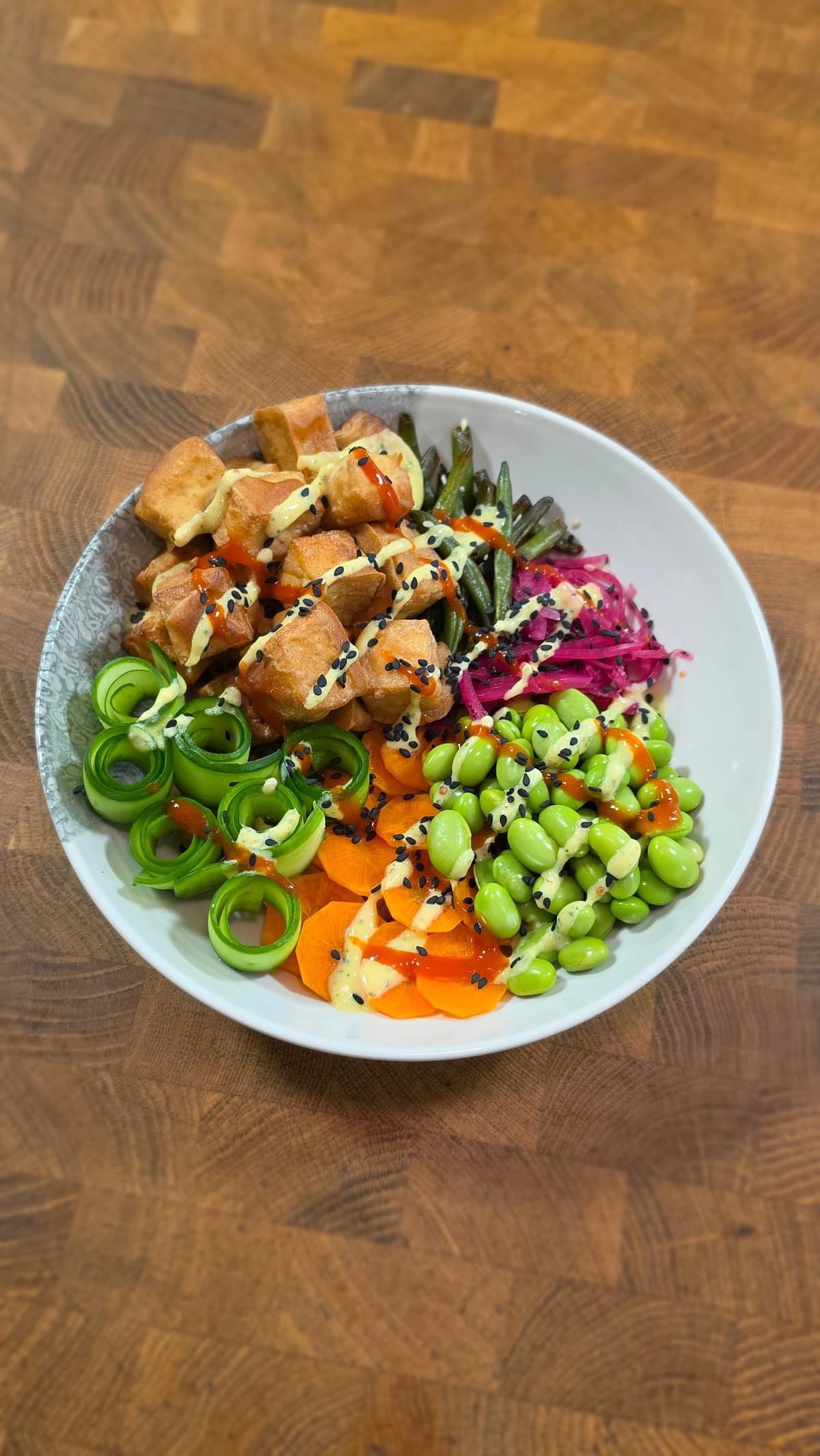
- Vegetarians and vegans: combine tofu, tempeh, legumes, seitan and soy or pea protein, and aim for the upper part of the range.

The third lever: resistance training
If protein is the raw material, resistance training is the instruction. Without mechanical stimulation, the body simply sees no reason to hold a muscle it doesn't use. This is the part that most people skip when they try to "get in shape" - and they end up with the same body shape, only smaller.
- 2-4 resistance training sessions per week. For each muscle group at least twice a week.
- Focus on complex exercises: squats, deadlifts, presses, pull-ups. They cover the most muscle in the shortest time.
- keep the loads in deficit. This is not the time to turn training into "burning calories" with light weights and lots of repetitions - actually maintaining heavy weights is what signals the body to have muscle.
- Aerobics is a calorie management tool, not a substitute. A daily walk of 8-10,000 steps does more than an hour of running that drops you for the day.
- Sleep of 7-9 hours. The recovery happens there, not in the gym.
how long does it take
More than you are promised, and less than you fear. At a healthy rate of 0.5% of body weight per week, a 5% fat loss takes about 3-5 months for most people. Real visual changes start to become apparent after 6-8 weeks, and usually others will notice before you.
Practical tip: stop measuring progress only by weight. Circumferences (mainly waist), photos in the same lighting every two weeks, and performance in training together give a much more reliable picture. A weight that gets stuck while the waist goes down and the weights go up is exactly what should happen.
What Doesn't Work (And Why It's Still Selling)
- Squats to burn belly fat. There is no such thing as a local burn - the body decides where to take it, and not in real time.
- "Foods that burn fat". Green tea, chili pepper and cinnamon are good ingredients in the menu, but their effect on caloric expenditure is negligible.
- Cut out carbs completely. There is no advantage in body composition compared to the same deficit with carbohydrates - and in the deficit, carbohydrates actually help performance in training, which is what preserves muscle.
- Skipping meals to "compensate". It usually ends in one evening which cancels three days.
- Weigh yourself every day and respond to every fluctuation. Respond to the weekly average only.
What does a typical eating day look like?
Without giving numbers that are not suitable for everyone, the structure that repeats itself is: protein at every meal, vegetables in a generous amount, carbohydrates around training, and fat in a measured amount. A planned dessert or snack at the end of the day helps to last much longer than it seems - provided that they are within the budget and not over it.
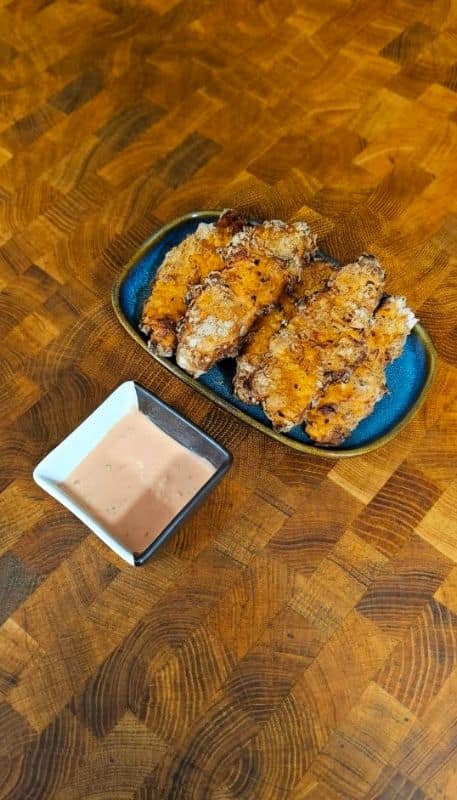
Related recipeLow-calorie KFC-style chicken strips - high protein, minimal fatRelated recipeCarrot cake 90 calories per slice - a budget-friendly dessertRelated guideCalorie deficit: how to calculate it and how to build one that you can live with