BakingSourdough
Sourdough is not another ingredient in the kitchen - it's a living culture, and everyone who has grown one has a moment when it felt a little scary: it didn't swell as you expected, its smell changed, and you're not sure whether to feed it, throw it away, or just hope for the best. This is completely normal. Sourdough is much more patient than it seems, and most mistakes at the beginning do not kill it - they simply teach you its rhythm.
Once you understand which four variables determine its behavior-the feeding ratio, the hydration, the temperature and the type of flour-maintenance ceases to be a matter of luck and becomes a routine that you can plan according to.
The feeding ratio: how much sourdough, how much flour, how much water
The feeding ratio is written as three numbers - sourdough: flour: water - always by weight and not by volume. Measuring cups are not consistent between flour and flour, so kitchen scale is not a recommendation but a prerequisite. The most common ratio is 1:1:1, for example 50 grams of old sourdough, 50 grams of flour and 50 grams of water.
- 1:1:1 - the standard maintenance ratio. Suitable for most people who bake once or twice a week.
- 1:2:2 - a "building" ratio, to strengthen the sourdough starter a day or two before baking.
- 1:5:5 and even 1:10:10 - slow down the pace significantly. Suitable for those who keep the sourdough starter on the counter and feed once a day, so that it does not reach its peak and collapse before he had time to use it.
how many times to feed
Sourdough that is kept in the refrigerator is enough to feed once a week in a ratio of 1:1:1, which is the most convenient option for most people. Sourdough that stands on the counter at room temperature - because it is baked every two or three days - needs feeding every 12 to 24 hours, simply because in the heat it consumes its food faster.
Hydration: liquid starter versus stiff starter
When you feed an equal weight of flour and water, you get 100% hydrated sourdough. This is the most common sourdough, and it is also the assumption behind almost every recipe. But it can be changed on purpose: feeding in a ratio of 1:2:1.5 gives a stiffer starter (about 75% hydration), which ferments more slowly and develops a sharper and more pronounced acidity. Feeding in a ratio of 1:2:2.5 gives a wetter starter, which reaches its peak faster and gives a more delicate and refined taste.
There is not one right here. Stiff starter is more forgiving-its peak is hard to miss-and liquid starter is lively and faster, but requires close attention to timing.
Temperature: your best friend and worst enemy
Temperature is probably the most powerful variable: the warmer it is, the faster the sourdough starter will ferment. The ideal range for fast and lively activity is 24 to 28°C. In the Israeli summer this is almost always the situation at home; In the winter, you should find a warm corner - near a layer stove, inside the turned off stove with the interior light on, or simply feed with lukewarm water around 27 to 29°C to compensate for a cold room without changing the ratio.
Cold slows down the activity significantly, which is exactly why the refrigerator works so well: it doesn't kill the sourdough starter, it just delays it so you don't have to feed it every day.
If something in the sourdough starter suddenly behaves differently - before looking for culprits, you should check the temperature in the room. In most cases it is there.
The type of flour changes the rate

Most guides assume bread flour or regular white flour, which is also the most convenient flour for daily maintenance: stable, predictable, does not require special attention. Wholemeal flour and rye flour, on the other hand, contain more bran and minerals that nourish the culture, so sourdough that is fed with them will ferment faster and be more acidic. It is excellent for reviving a weak or slow sourdough, but if you switch to them regularly you need to feed more frequently.
A trick that almost always works: mix 10 to 20 percent wholemeal or rye flour from the amount of flour in the feed, and the rest white flour. You get a boost of activity and flavor without giving up the stability of white flour.
How do you know it's ready to bake?
The sourdough starter is ready when it has doubled or tripled its volume, when it is full of bubbles on the surface and along the sides of the jar, and when its smell is sour and pleasant and not sharp and aggressive. The simplest test is the float test: put a teaspoon of sourdough in a glass of water. If it floats - it is ready.
If you are wondering if the sourdough starter is ready, it probably isn't yet. When it's really ready, it's obvious without thinking twice.
What to do with the excess sourdough (discard)
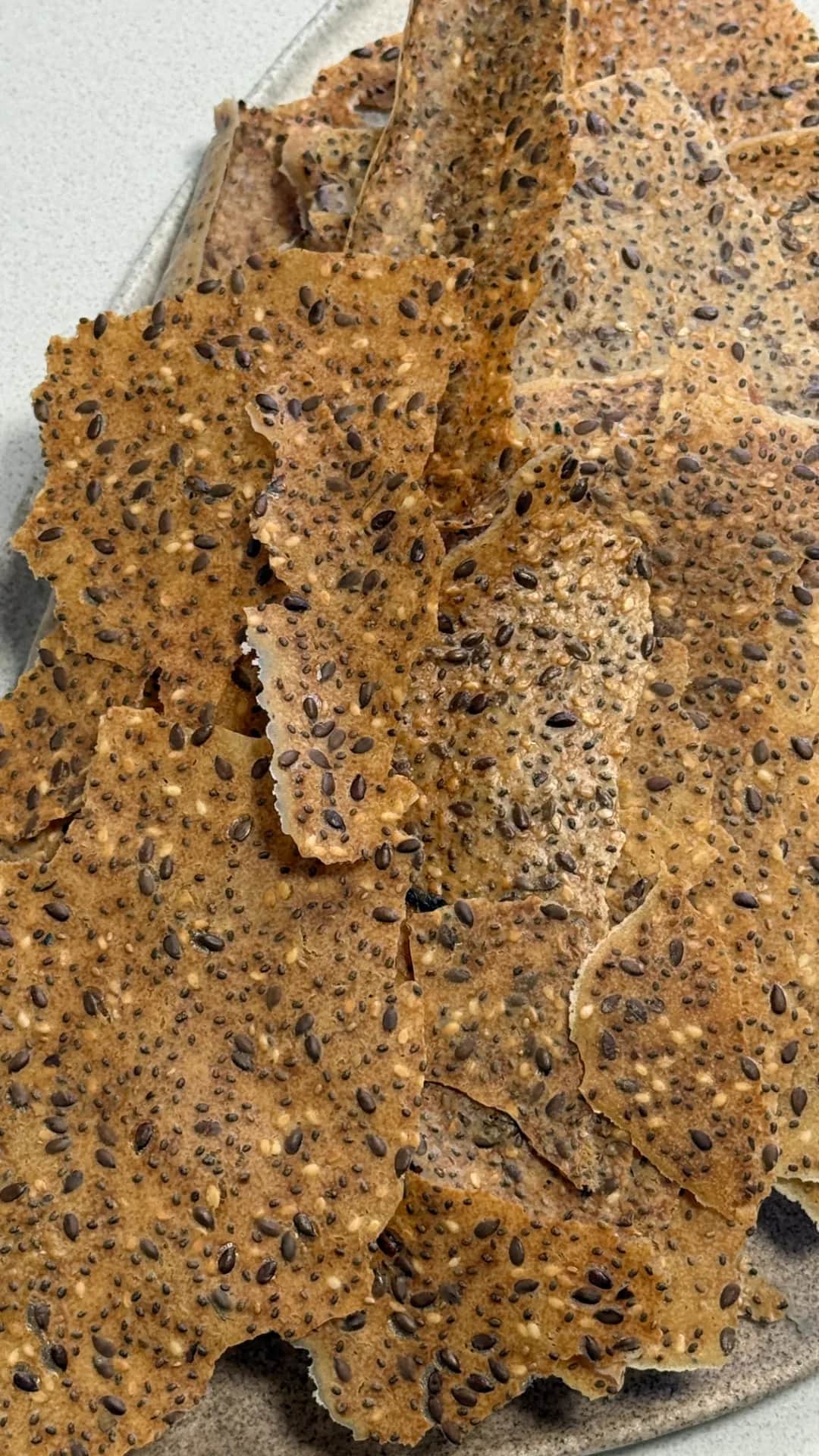
In each feeding, there remains an old sourdough amount that does not enter the new ratio, and it is a shame to throw it away. You can keep it in a separate jar in the fridge for a few days and use it wherever a sour taste works to your advantage - pancakes, waffles, blintzes, and especially thin and crispy crackers that bake in less than half an hour.

Common mistakes
- Throw away sourdough that has accumulated a grayish liquid (hooch). It's a sign that she's hungry, not that she's spoiled - just mix or pour the liquid and feed.
- Feed cold sourdough straight from the fridge and expect quick activity. You should give it half an hour to warm up first.
- Be alarmed by a strong smell in the first weeks. In a new sourdough, pungent smells are part of the process and not a sign of failure.
- Change several variables at once - ratio, type of flour and temperature together. So you never know what worked. Better to change one variable and see a result.
- Measure in cups instead of weight. This is the most common source of inconsistent results from bake to bake.
Traveling or not baking for a while?
You can leave sourdough in the refrigerator without feeding for two to three weeks without any real damage. When you return, feed her two or three times in a row - approximately every 12 hours - until she is again as lively and bubbly as before.
And last: give yourself a margin. Sourdough is a living system with some inherent uncertainty, and even seasoned bakers miss timing occasionally. It's part of the process, not a failure.
Related recipeSourdough bread 60% wholemeal flour - a recipe to start fromRelated guideDo you want to get to know preliminary doughs with commercial yeast? Introduction to Polish, Biga and more