BakingSourdough
Preliminary dough - preference in Hebrew - is a small part of the dough that is prepared in advance: flour, water and a tiny amount of yeast, which are left to ferment separately before mixing them with the other ingredients. This is not a mandatory step, but it is often the difference between a reasonable bread and a bread with a deep flavor, an open texture and the ability to keep fresh longer.
Unlike sourdough, which is a living culture that is maintained over time, predough is prepared anew for each dough: you prepare it, wait for it to ferment, and use it the same day or the next day. There is nothing to cultivate and nothing to commit to.
Why even bother?
- Taste - long and slow fermentation breaks down starches and proteins and creates flavor and aroma compounds. A short and direct fermentation is simply not enough to produce.
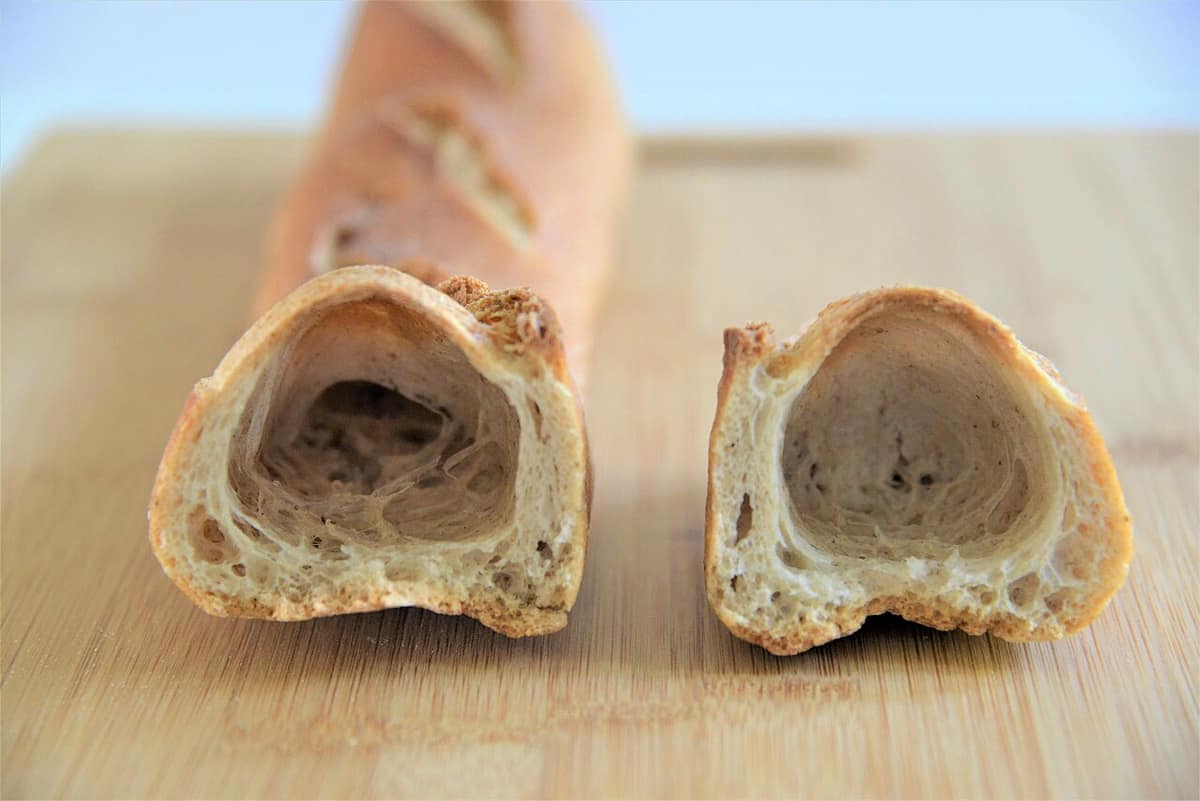
- Texture - dough with predough stretches more easily and gives an open and uneven porosity, exactly what you look for in good bread.
- Less yeast in the final dough - a significant part of the fermentation is already cold, so the main dough needs much less commercial yeast.
- Flexibility in the schedule - prepare in the evening, bake the next day. The work is spread over two days without adding effort.
The three variables that determine everything
- Hydration - the amount of water in relation to flour. This is the variable that differentiates the most between the types of preliminary doughs.
- The amount of yeast - pre-dough uses a tiny amount of yeast, much less than what is used in normal dough, to allow slow and continuous fermentation.
- Time and temperature - the longer and cooler the fermentation, the more flavor develops. A short, hot fermentation focuses on swelling rather than depth.
Polish vs. Biga - the difference in a nutshell
- Polish - liquid, at 100% hydration (weight of water is equal to weight of flour). Looks like a thick batter full of bubbles, ferments relatively quickly and gives an airy and delicate dough.
- Biga - dry and stable, with only 50 to 60 percent hydration. Looks like lumpy and fragile dough, ferments more slowly and gives a stronger and chewier dough.
In general: polish is suitable when you want a delicate, airy and stretchy texture - Roman-style pizza, French baguette, ciabatta. Biga is suitable when you want a strong structure and sufficient chew - Neapolitan pizza or New York, and rustic breads with a thick crust.

So where to start
If it's your first time, polish is easier to understand: it's liquid, and you can clearly see when it's at its peak-full of bubbles, rising almost above the sides of the vessel, then starting to sink in the center. Biga is more forgiving in the time frame and you can forget it a bit without it spoiling, but it is more difficult to assess visually because it does not look like an effervescent liquid.
The practical recommendation: start with polish to develop a feeling for what happens during fermentation, and only then move to biga when you want a stronger dough.
Detailed guidePolish: the liquid pre-dough - ratios, times and tipsDetailed guideBiga: the dry pre-dough - ratios, times and tipsRelated guidePrefer natural fermentation without commercial yeast? The complete guide to sourdough