Skip to content
Nutrition and cutting

Weigh Food Raw or Cooked? Why It Matters

Most calorie tables are for raw food. When to weigh raw, when to weigh cooked, and why never to mix them.

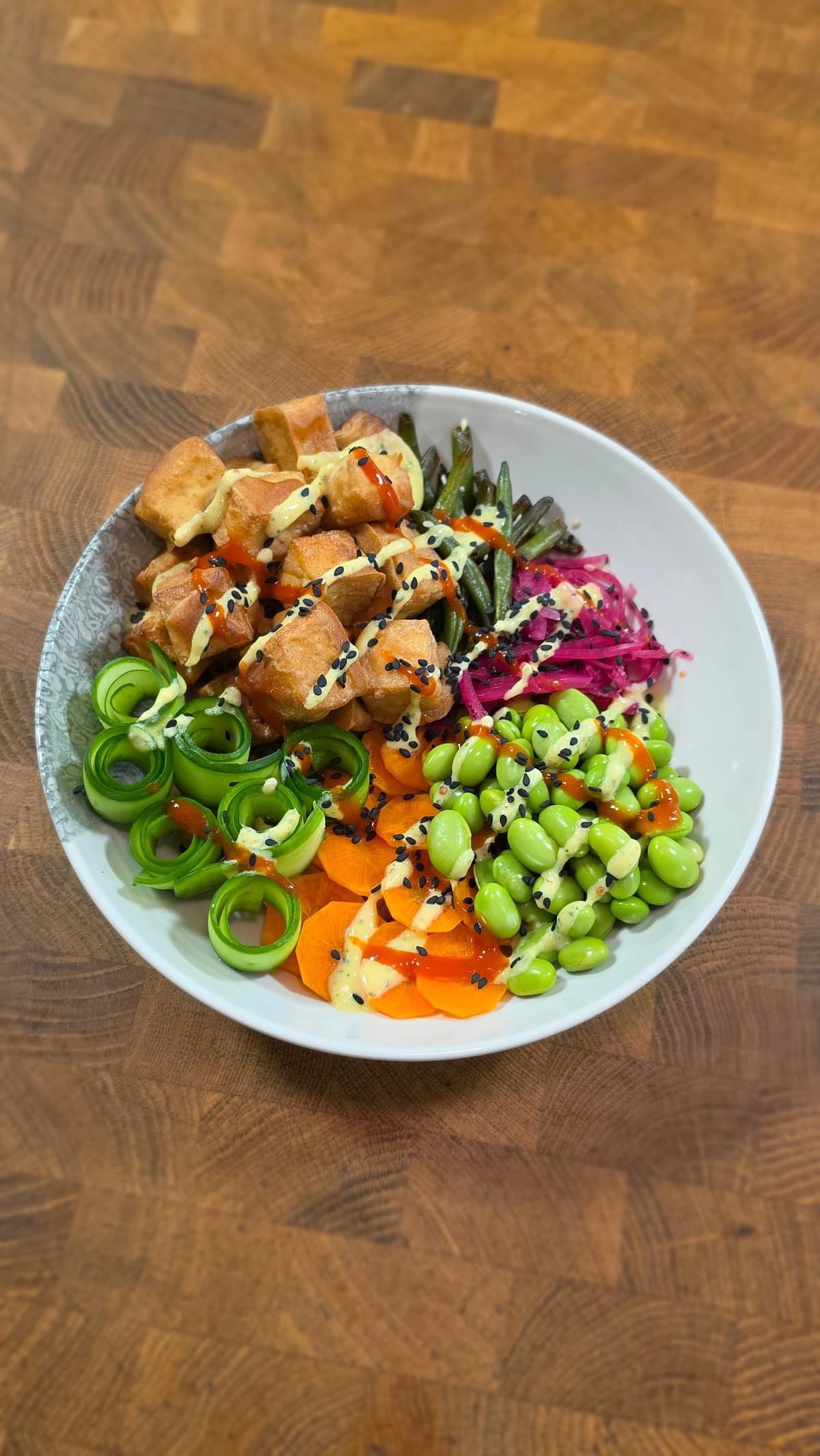
A low-calorie poke bowl with crispy tofu and peanut sauce

Most calorie tables are for raw food. Weigh it cooked, log it as raw, and the number is wrong.

What cooking does

  • Rice and pasta absorb water and get heavier.
  • Chicken and meat lose water and get lighter.

The mistakes

  • Cooked rice logged with raw rice values - the number comes out about 2.5 times too high.
  • Cooked chicken logged with raw chicken values - the number comes out too low.

What to do

  1. Simplest: weigh it raw, before cooking.
  2. Weighing it cooked? Use cooked values.
  3. Never mix the two.

An example in numbers

  • 100 g of uncooked rice - about 360 calories. Cooked, it weighs about 250-300 g.
  • 100 g of raw chicken breast - about 120 calories. Cooked, it weighs about 75 g.

Cooking a pot for the week

  1. Weigh the rice or pasta before cooking.
  2. Weigh the whole batch once cooked.
  3. Divide - now you know how much raw is in each cooked portion.

Count oil added during cooking separately. A tablespoon of oil is about 120 calories.

How many calories are in 100 g of cooked rice?

About 130. 100 g of uncooked rice has about 360.

Do you weigh chicken before or after cooking?

Before is better. If you weigh it after, use cooked chicken values.

What about vegetables?

Most vegetables change little when cooked, so it matters less. What counts is the oil added to them.

Related guideHow to read a nutrition labelRelated guideA calorie deficit you can live with

More of the knowledge around the recipes — same kind of explanation, a different subject.